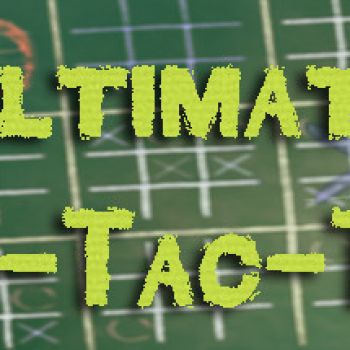
Tic Tac Toe
 Mope Io
 Stumped
 fortune cookie
 Fly Car Stunt 4
 On On Dash
 Mountain Bike Xtreme
 Level Devil
 Tap Tap Shots
 Slope Run
 Geometry Dash Breeze
 Geometry Dash Lite 3D
 Capybara Clicker
 Color Maze Puzzle
 Geometry Dash Bloodbath
 Only Up 3D Parkour Go Ascend
 Bolly Beat
 Knife Smash
 Geometry Dash Meltdown 3D
 Elastic Man
 Geometry Dash Breeze 3D
 8 Ball Billiards Classic
 Cubes 2048
 Temple Run 2: Frozen Shadows
 Running Fred
 Monster Truck Crazy Racing 2
 Basketball Master
 Fish Eat Fish
 Rocket Bot Royale
 Sniper Strike
 Bee Connect
 Swerve Game
 Bouncy Blob Race: Obstacle Course
 Draw Climber
 Protect My Dog 2
 Noob Vs Cops
 Helix Jumping
 Jingle Juggle Merge
 Thumb Fighter
 Tomb Of The Mask
 FullSpeed Racing
 Bridge Race 3D
 FlyorDie.io
 EvoWars.io
 Rooftop Snipers
 Diep.io
 Pizza Tower
 Temple Run 2: Holi Festival
 Sky Race 3D
 Duck Life
 Scary Brawl
 Fish Eat Getting Big
 ZombsRoyale.io
 Shell Shockers
 Super Stunt Car 7
 Super Mario Wonder
 Lazy Jump Online
 Block Puzzle
 Merge Cakes
 Bottle Jump
 Crazy Caves
 Zrist DX
 Idle Money Tree
 Stand And Shoot Zombies
 Get On Top
 Zombie Island 3D
 Chess Classic
 Kitty Rush
 Tube Master
 Badland
 Ragdoll Mega Dunk
 Skibidi StickBloons
 Bad Piggies HD 2
 Air Hockey Cup
 Doomsday Shooter
 Arctic Pong
 X Trench Run
 Bad Ice-Cream
 Alien Cubes
 Flip Ninja
 Ninja Climb
 Diamond Rush
 2048 Giant
 Domino Battle
 Mushroom Forest Adventure
 Soul And Dragon
 Om Nom Bounce
 The Wall
 Fish Love
 Death Run 3D
 Cricket Hero
 Daily Sudoku
 My Space Pet
 Doodle Arena
 Tebo
 Bubble Woods
 Geometry Dash Lite
 Dices 2048 3D
 Pirate Pop
 Diwali Lights
 Smash Karts
 Skiing Fred
 Geometry Vibes
 Geometry Dash Spam
 Geometry Dash World
 Geometry Dash Scratch
 Geometry Dash Subzero 3D
Overview of Tic Tac Toe
Tic Tac Toe is a timeless puzzle that has been enjoyed by children and adults for generations. The game is played on a simple three by three grid where two participants take turns marking a space with either an X or an O. The objective is to place three of one’s own marks in a horizontal, vertical, or diagonal line before the opponent can do the same. Because the board is small and the rules are straightforward, Tic Tac Toe can be learned in a matter of minutes and played in any setting where a piece of paper or a digital interface is available.
How to Play Tic Tac Toe
To begin a match, each player chooses a symbol – traditionally one player uses X and the other uses O. The first player places their symbol in any empty square on the board. The second player then places their symbol in a different empty square. Play continues with each participant alternating turns. A round ends when one player succeeds in aligning three of their symbols in a straight line or when all nine squares are filled without a winning line, resulting in a draw. The simplicity of the turn order makes the game ideal for quick sessions or for longer series of matches where players can keep score.
Effective Strategies for Winning
Control the Center Square
The middle position on the grid offers the greatest number of potential winning lines. Securing this square on the first turn gives a player access to four possible ways to complete a line. If the opponent does not take the center, placing a mark there creates immediate pressure and forces the opponent to respond defensively.
Take the Corners When Possible
Corner squares provide three potential winning lines each. After the center has been claimed, occupying a corner can set up multiple threats that the opponent must block. When a player holds two opposite corners, a single move in the middle of an edge can create a fork – a situation where two winning lines are available simultaneously.
Watch for Fork Opportunities
A fork occurs when a player can create two separate lines that could be completed on the next turn. Recognising and establishing a fork is a powerful way to force a win because the opponent can only block one of the two threats. To avoid giving the opponent a fork, always consider how a move might open multiple lines for the other side.
Block Opponent Threats Promptly
Defensive play is as important as offensive tactics. Whenever the opponent has two of their symbols aligned with an empty square that would complete a line, the immediate response should be to place a mark in that empty square. Failure to block a clear threat results in an instant loss.
Plan for a Draw When Victory Is Unlikely
Because Tic Tac Toe is a solved game, two perfectly playing opponents will always end in a draw. If a player recognizes that a win is not achievable, the best approach is to focus on preventing the opponent from creating a fork and to fill remaining squares in a way that leaves no open winning line. This strategy ensures a respectable result even when a win is out of reach.
Why Tic Tac Toe Remains a Favorite Choice
The enduring appeal of Tic Tac Toe lies in its balance of simplicity and depth. New players can grasp the rules instantly, while seasoned players can explore advanced tactics such as forks and forced moves. The game requires no special equipment, making it accessible on paper, on a smartphone, or through an online platform. Its short rounds allow for quick matches during a break, yet the strategic possibilities keep the experience fresh over many repetitions. Additionally, the game serves as an excellent teaching tool for concepts such as pattern recognition, logical reasoning, and turn based decision making.
Frequently Asked Questions About Tic Tac Toe
Can I play Tic Tac Toe on a mobile device
Yes, the game is widely available on mobile browsers and as dedicated applications. The touch interface allows players to tap a square to place their mark, providing a seamless experience that mirrors the traditional paper version.
Is there a perfect strategy that guarantees a win
When both participants use optimal play, the game will always end in a draw. However, a player who follows the core strategies of controlling the center, occupying corners, creating forks, and blocking opponent threats can force a win against an opponent who makes a mistake.
How many possible board positions exist in Tic Tac Toe
The total number of unique board configurations, including those that are not reachable in a normal game, is 3 to the power of 9, which equals 19,683. When only reachable positions are considered, the number is reduced to 26,830. These figures illustrate the modest complexity of the game while still offering enough variety for engaging play.
What is the best first move for a new player
Choosing the center square on the first turn provides the greatest flexibility and the highest chance of creating a winning line. If the center is already taken, selecting a corner is the next most advantageous option.
Can Tic Tac Toe be played with more than two participants
The classic version is designed for two participants. Variations exist that expand the grid or introduce additional symbols, but these are separate game modes and not part of the standard Tic Tac Toe rules.